Todd McFarlane’s Simple Hammer Story Makes Anti-AI On Rage
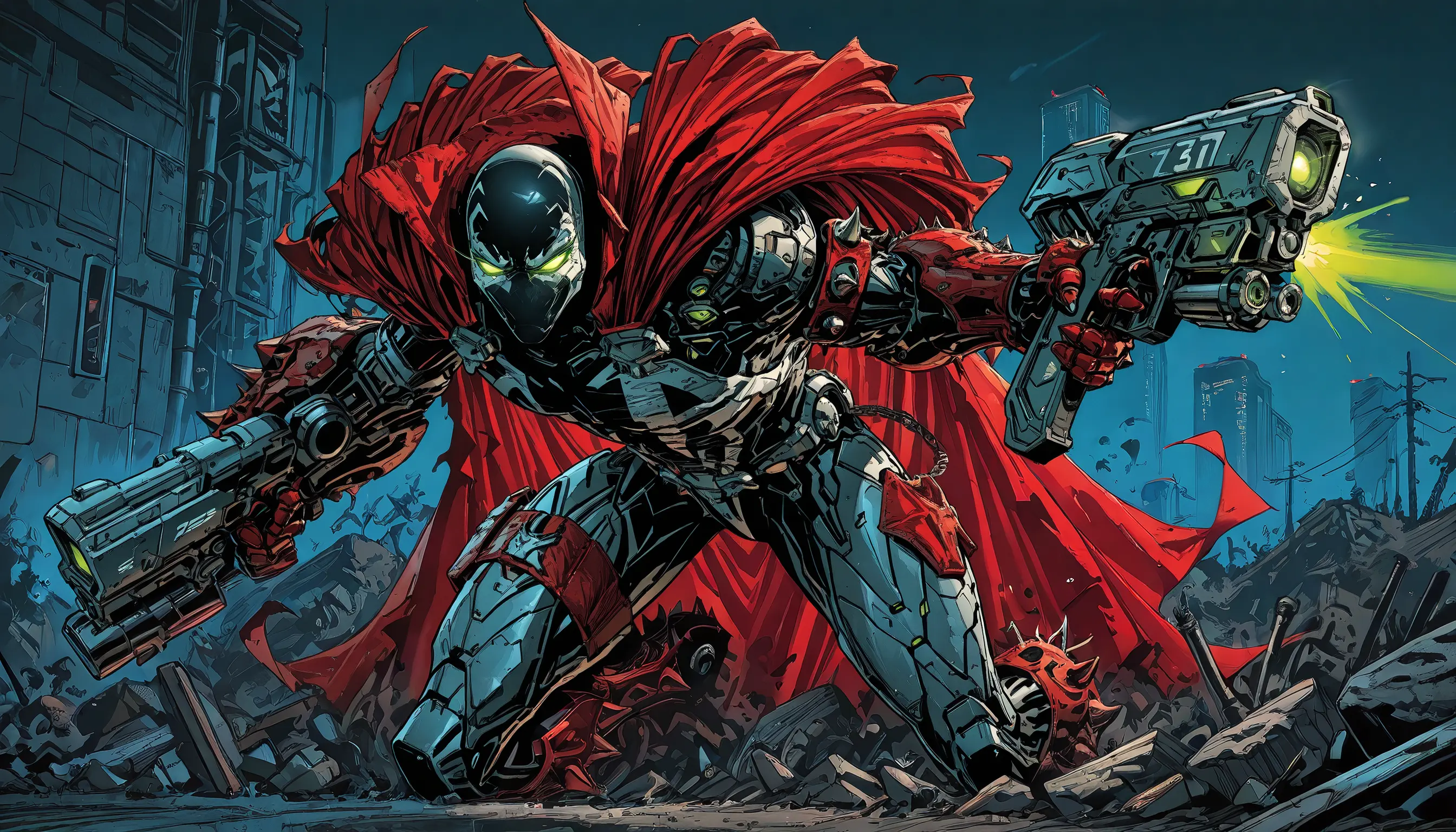

Anti-AI purists want to cancel Todd McFarlane, the legend behind Spawn and Amazing Spider-Man over his viral AI comments, here is why they are completely wrong and why the maestro itself isn't scared of AI art.
Published on: June 13, 2026
The comic book world is in big trouble right now. Comic shops are closing, big companies like Marvel are firing lots of workers, and artists are scared of losing their jobs. It feels like everything is falling apart.
But Todd McFarlane is not panicking. If you know comics, you know him. The legendary mind behind Spawn, the visionary co-founder of Image Comics, and arguably the most commercially successful Spider-Man artist in history, recently weighed in on the raging AI debate. While an army of anti-AI critics predictably lost their composure, McFarlane proved exactly why he remains an untouchable pioneer. He isn’t panicking about generative artificial intelligence; he’s embracing it as the inevitable, hyper-efficient future of visual narrative.
Recently, Todd talked about AI (Artificial Intelligence) art on a podcast. A lot of people on the internet got really mad at him. But Todd cut right through the anger with simple logic. He explains that AI is not a monster. It is just a brand new tool that makes work faster and better.
New Tools Always Scare People: A Quick Look at History
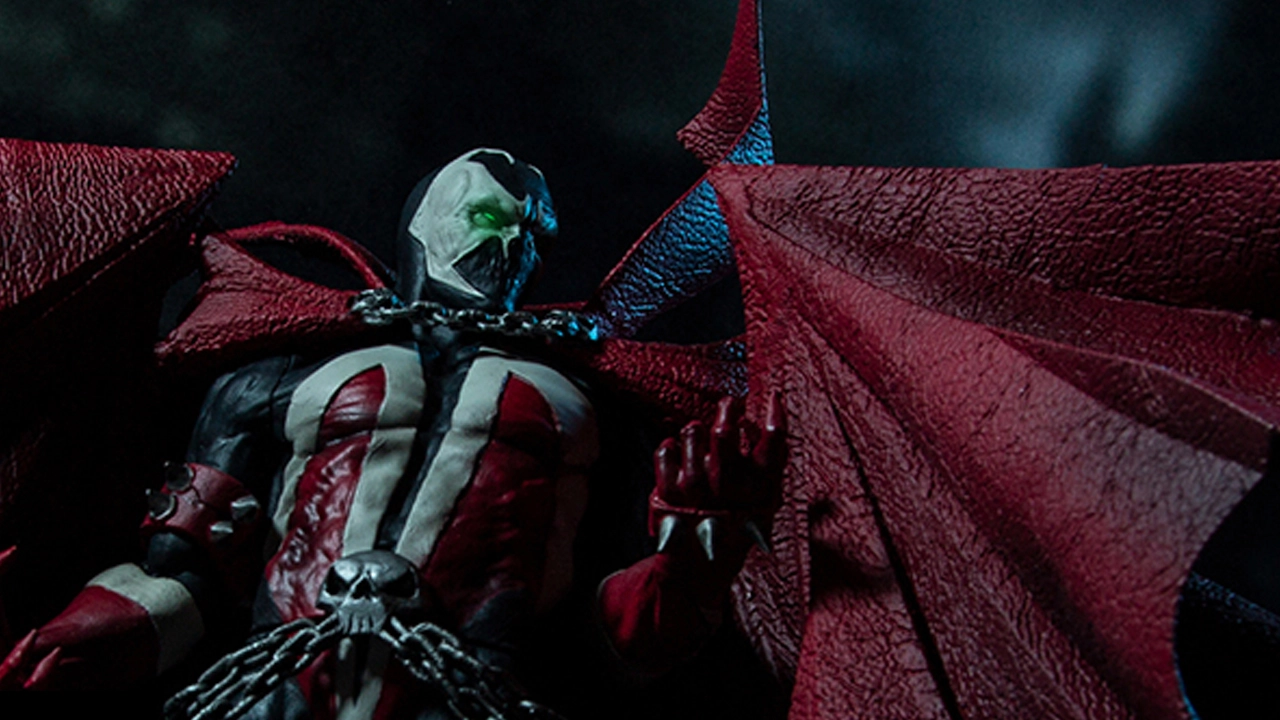
Todd says people need to look at history. Every single time humans invent a new, faster tool, the old way of doing things goes away. And every time, people get scared and cry about it.
Look at these examples from the past:
- Cars replaced horses: A long time ago, people made a lot of money selling horse wagons. Then, someone invented the car. The wagon makers went out of business. But we didn’t stop making cars just to save the wagon jobs. Cars made life better for everyone.
- Computers replaced pencils: Then came the word processor (an early computer for typing). Suddenly, people stopped buying pencils and paper because they could just type on a screen.
- Streaming replaced DVDs: We used to watch movies on VHS tapes. Then we bought DVDs. Now, we just stream everything on the internet. Almost 90% of the people who made physical DVDs lost their jobs. But streaming is way easier for the fans.
McFarlane’s core perspective is as refreshing as it is pragmatic: AI is an efficiency tool, and like every major technological leap before it, it exists to maximize human capability.
History bears this out across every creative generation:
- When digital coloring software and Photoshop first hit the scene, traditional paint-and-ink colorists wrung their hands and decried the death of the medium.
- When digital drafting tablets entered studios, purists called it cheating.
- When word processors replaced physical pencils, traditionalists panicked.
The same exact thing happened in comic books years ago! When drawing tablets and Photoshop first came out, older artists got furious. They yelled at the new digital artists and said using a computer was “cheating” because computers have an “undo” button. They were just mad because they didn’t know how to use the new technology. But guess what? Today, almost every single comic book is colored and drawn on a computer. You cannot stop progress.
Yet today, the vast majority of commercial art is safely digital, freeing creators from tedious material constraints and democratizing the global pipeline.
AI artists are not “replacing” human creativity—they are supercharging it. Think of a high-tier generative AI engine not as a robot stealing a job, but as an advanced creative mech suit that requires a skilled, visionary pilot to command.
The Hammer Story: Why AI Stops Boring Art
Todd explains AI by talking about a simple hammer.
“I can give you a hammer, and you can either build me a house, or you can bludgeon me over the head with it. Same tool, right?”
The hammer itself is not evil. It all depends on how the human uses it. AI art is the exact same thing. It is just a tool to help human artists create better things at lightning speed.
Think about making a cartoon show. Imagine a boss needs an artist to design a cool new gun for a character:
- The Old Way: The artist has to draw every single line by hand. It takes all day. Because it is so slow, the artist only shows the boss 3 designs. If all three designs are boring, the boss is stuck with a boring gun for the show.
- The AI Way: The artist uses an AI tool to help them think of ideas. In just a few hours, the artist can give the boss 20 different options! Now, the boss can look at all 20 and pick the absolute best two.
This means the final comic book or cartoon looks way cooler. Todd’s job as a boss is to give fans the most awesome art possible, not to accept slow, mediocre work.
It Is Like a Robot Suit (It Needs a Human Pilot!)
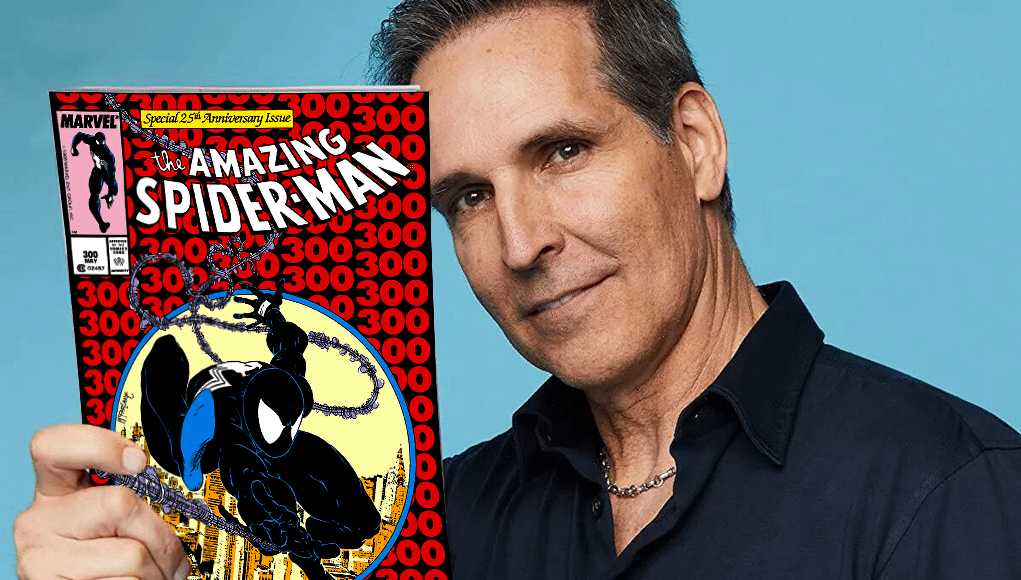
Some people think AI is a monster that acts on its own. But people who actually use AI know that is not true.
Think of AI like a giant robot suit (a mech suit) from a sci-fi movie. If the suit is empty, it just sits there. It cannot move. It cannot make art by itself. It completely relies on a human pilot to get inside, guide it, coach it, and tell it what to do. You still have to be a creative person to make the AI look amazing.
Right now, drawing a single comic book page by hand can take an artist 12 painful hours. That means they have no time for their families. But if they learn to use an AI assistant ethically, they can finish that same page in 3 or 4 hours. This gives artists their lives back. It lets them tell more stories and make more books before their time on Earth is up.
If artists refuse to learn how to use these new tools, companies will just find other people who will. You can either change with the times or get left behind.
Why AI Art Empowers the Modern Creator
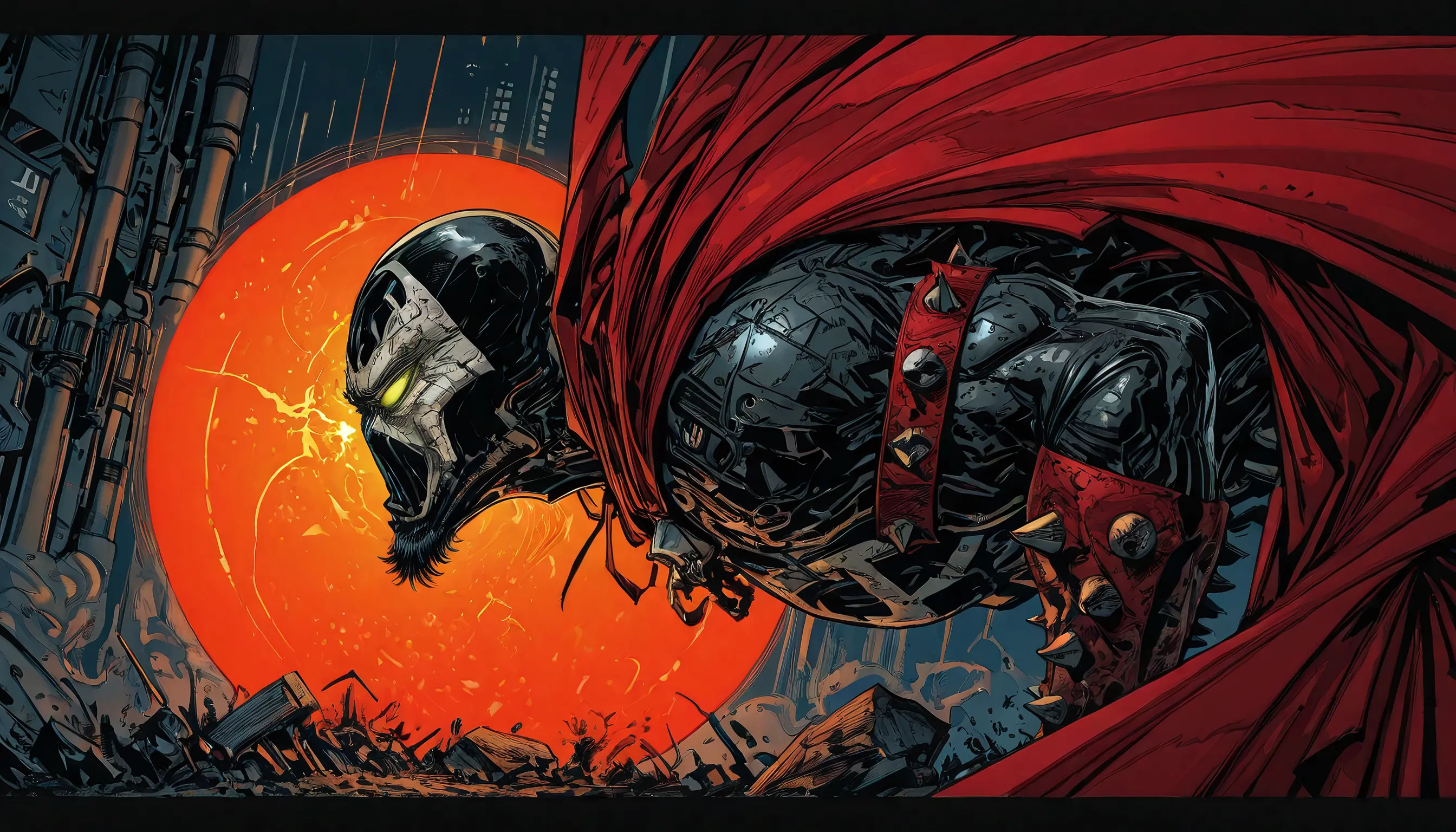
The job of a true comic publisher and creator is to put out the absolute coolest content possible. AI tools allow independent storytellers to build breathtaking, high-fidelity universes without being held back by intense operational bottlenecks. It completely eliminates the standard industry barriers:
- Bypassing the Burnout Grind: Hand-drawing an incredibly detailed single comic page can take up to 12 grueling hours. Strategic AI integration slashes that workload significantly, allowing creators to actually have a life outside of an endless drawing desk grind.
- Infinite Visual Iteration: Instead of settling for a compromise due to time constraints, an AI artist can rapidly prototype background assets, complex vehicle layouts, and environmental concepts to isolate the absolute best artistic fit.
- Democratizing the Independent Scene: A brilliant scriptwriter no longer needs a massive corporate budget to hire an entire art studio just to test a concept or launch a self-published series.
Want to Create Your Own Graphic Novels?
Do you have an amazing story in your head, but you don’t know how to draw perfectly? Don’t let the old gatekeepers stop you from chasing your dreams. The creative world has changed, and now anyone can make a masterpiece if they use the right tools.