Stop Calling Brilliant DLSS 5 'AI Slop': Why Clueless Gamers Are Wrong
Fans are calling NVIDIA's new DLSS 5 'AI slop,' but they missed the point. This tool saves your framerate without killing art style.
Published on: March 8, 2026
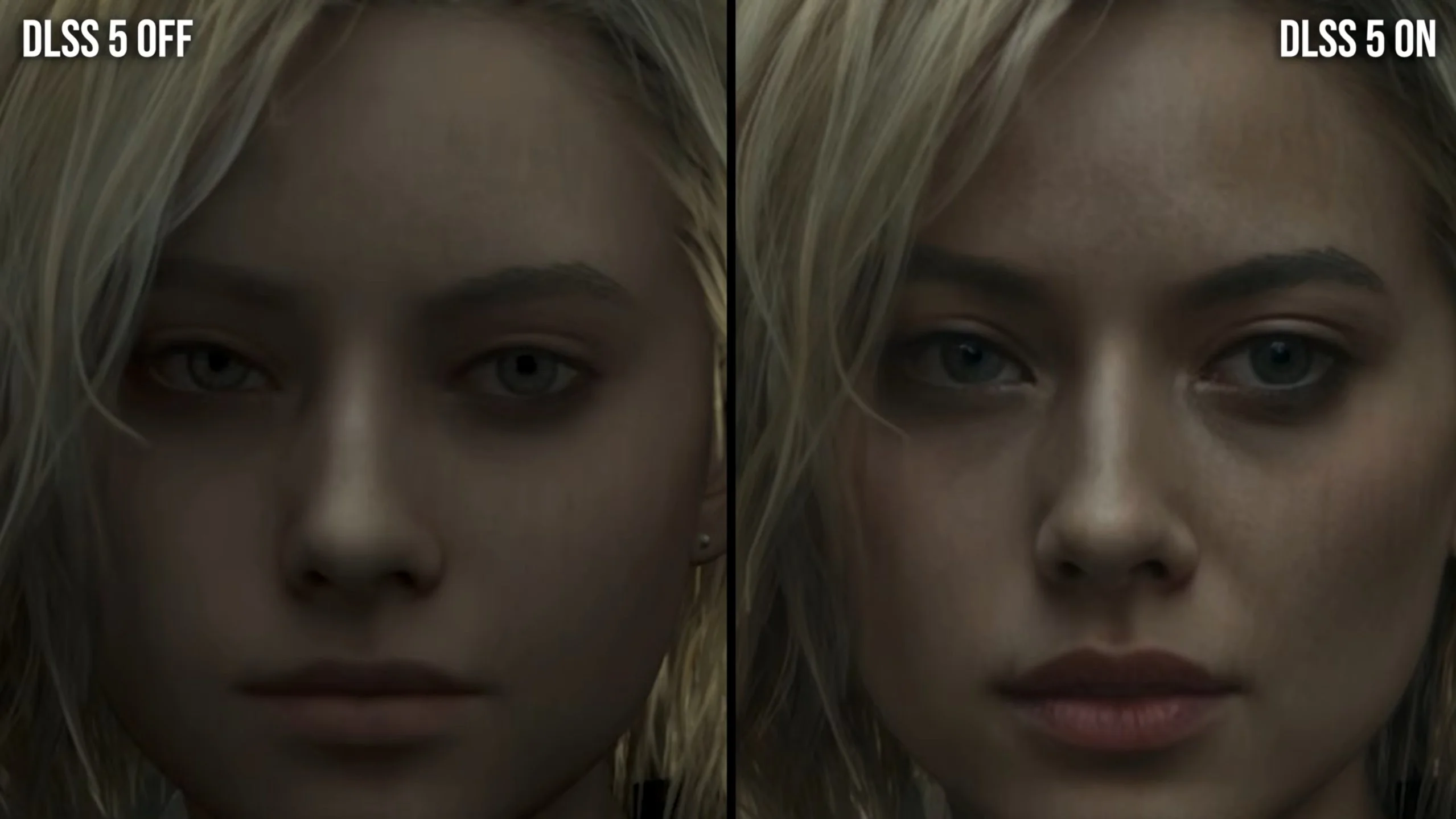
A new feature from NVIDIA has sparked loud debate. The company calls it DLSS 5. It uses AI to improve lighting and image quality in video games. Some fans and creators have reacted with strong criticism. They use terms like “AI slop” to describe the results. They say the technology changes art direction and makes characters look different. But this reaction misses what DLSS 5 actually does and who it helps.
What DLSS 5 Actually Does
DLSS 5 is a tool for PC gamers. It uses AI to improve how light, shadows, and materials appear in a game. The goal is not to replace art. The goal is to help games run smoother while looking good.
The AI looks at the scene. It recognizes different parts like skin, water, or metal. It then adjusts lighting and detail in those areas. This happens in real time. The game does not need to render every pixel at full quality. The AI fills in the gaps. This saves computing power. It lets games run faster on more systems.
The feature is optional. Players can turn it on or off. Developers can adjust how it works. Artists still create the original assets. DLSS 5 works with what they provide.
Why Some People React With Anger
Change often meets resistance. When a new tool appears, some assume it will replace human work. They see AI and think “automatic” or “generic.” They worry that every game will start to look the same.
These concerns come from a real place. People care about art. They want games to keep their unique style. But fear can lead to quick judgments. Early footage of DLSS 5 showed raw, unadjusted results. That is not the final product. Developers tune the effect. They match it to their vision.
Calling a tool “slop” before testing it fully does not help the conversation. It shuts down discussion. It ignores the people who might benefit from the technology.
Who Benefits From This Technology
Not every gamer has a top-tier PC. Many play on mid-range or older hardware. They want to enjoy new games without buying expensive parts. DLSS 5 helps those players. It improves visual quality without demanding more from their system.
Performance matters. A game that runs smoothly is more fun to play. Stuttering, low frame rates, or long load times break immersion. Tools that reduce those issues help more people have a good experience.
DLSS 5 also helps developers. Creating high-quality lighting and materials takes time and resources. AI assistance can speed up that work. It lets artists focus on creative choices instead of technical fixes. The final game can reach more players, on more systems, with less strain on the team.
Artists Still Lead the Creative Process
A tool does not make decisions. People do. NVIDIA states that DLSS 5 works under artist control. Developers choose when to use it. They adjust its strength. They decide which effects to apply.
Think of it like a photo editor. A filter can change an image. But the photographer chooses the filter. They adjust the settings. They keep what works and remove what does not. DLSS 5 is similar. It offers options. Humans make the call.
Games with strong art direction will still stand out. AI enhancement does not erase style. It can help that style reach more screens, more clearly.
Why Expert Analysis Matters
Some critics dismissed technical reviews of DLSS 5. They said analysts “misread the room.” But understanding how a tool works requires testing, not just opinion. Groups that study graphics performance provide data. They compare frames. They measure impact. This information helps players make informed choices.
Dismissing that work because the conclusion does not match a personal view weakens the discussion. It is okay to disagree. But the disagreement should be about facts, not feelings.
Choice Is the Key Point
DLSS 5 is optional. Players can enable it or disable it. Developers can fine-tune it or skip it. This flexibility is important. It means the technology serves those who want it, without forcing it on everyone.
Gamers who prefer the original art can turn the feature off. Gamers who want better performance or enhanced lighting can turn it on. Both groups get what they want. That is a win.
Moving Forward With Open Minds
New tools will keep appearing in gaming. Some will succeed. Some will not. The only way to know is to test them, discuss them, and give feedback.
Labeling a technology as “slop” before it is fully implemented does not help artists, developers, or players. It creates noise. It distracts from real issues like fair pay, creative credit, and accessible design.
NVIDIA DLSS 5 is not a replacement for art. It is a tool that can support art. It can help more people play more games. It can give developers more options. Whether it succeeds depends on how it is used, not on early reactions.
The fans who worry about AI in gaming have valid concerns. Those concerns should be part of the conversation. But the conversation needs space for testing, adjustment, and honest review. Dismissing a tool outright helps no one. Keeping an open mind helps everyone.