Dark Horse CEO Fired: The End of Hellboy and Alien Comics?
Mike Richardson is out. A gaming exec is in. Here is how Embracer Group's shock move could kill your favorite comic stories forever.
Published on: March 7, 2026
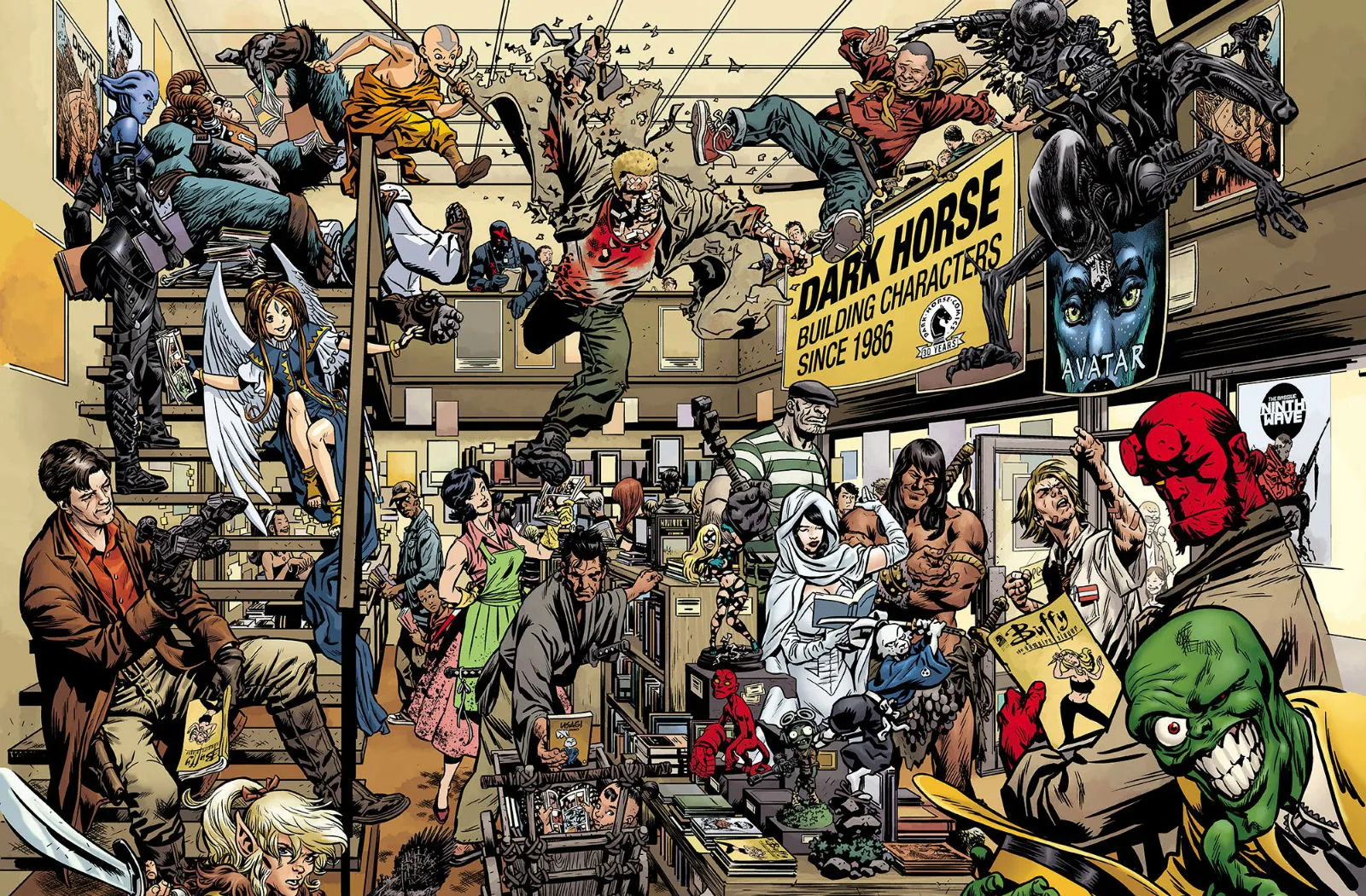
Mike Richardson built Dark Horse Comics from a small comic shop into a major publisher. He championed creator rights. He brought us Hellboy, The Mask, and acclaimed comics based on Alien, Predator, and Star Wars. After 40 years, he is no longer the CEO. Embracer Group, the video game company that bought Dark Horse in 2022, replaced him with a gaming executive. Official statements call it a smooth transition. Reports from industry sources say Richardson was pushed out.
This change matters even if you never read a comic. Dark Horse stories appear in movies, video games, and merchandise. What happens next could affect how those stories are told.
What Actually Happened
Embracer Group bought Dark Horse in 2022. Richardson stayed on as CEO. Now, Jay Komas, a gaming executive with experience at Electronic Arts and Activision, steps in as interim leader. Embracer says this move will “modernize the business” and “strengthen collaboration” across games, films, and publishing.
Richardson is in his mid-70s. Some assumed he would retire after the sale. Sources indicate he was removed from his role. Corporate partings often sound friendly in public. The details behind the scenes can be different.
Why Dark Horse Matters to People Who Do Not Read Comics
You may not know Dark Horse by name. But you likely know their work.
- Hellboy started as a Dark Horse comic before becoming films and games.
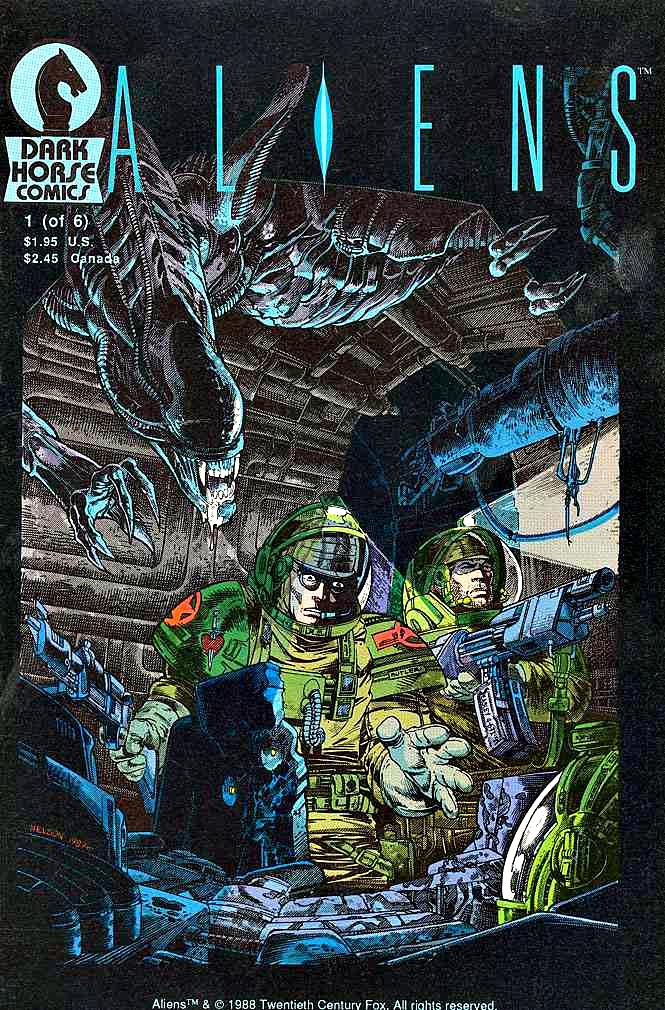
- Alien and Predator comics from Dark Horse expanded those universes long before new movies arrived.
- Star Wars comics found a home at Dark Horse for over a decade, shaping stories fans still love.
- The Mask, Time Cop, and The Umbrella Academy all began at Dark Horse before reaching screens.
Dark Horse also supported creator-owned work. Writers and artists kept more control over their stories. This model inspired other publishers. It gave readers fresh voices outside the big two comic companies.
What Embracer Wants
Embracer Group is a large holding company focused on video games. They have bought many studios and brands in recent years. Some of those purchases led to shutdowns. Their interest in Dark Horse appears to be about intellectual property, or IP.
IP means characters and stories that can be used across different products. A comic book sells copies. A character from that comic can also appear in a game, a movie, a t-shirt, or a toy. For a company like Embracer, the comic is one piece of a larger plan.
Jay Komas, the new interim CEO, has a background in managing IP across games, film, and consumer products. His experience is not in comic publishing. This signals a shift in priorities.
What Could Change
No one has announced that Dark Horse will stop publishing comics. But the leadership change suggests new direction.
- More focus on adapting existing stories into games or films.
- Fewer new creator-owned projects if they do not fit a larger media plan.
- Reprints of popular older series instead of investment in new voices.
- Faster production cycles using tools that prioritize speed over craft.
This does not mean quality will drop. It means the goals may change. A story might be chosen because it works well in a game, not because it is the best comic idea.
The Bigger Picture for Stories You Love
Comics have always been a testing ground for bigger projects. A small comic can become a hit movie. That is not new. What is changing is who makes the decisions.
When a comic publisher is led by people who love comics, they take risks on unusual stories. When a publisher is led by people who see comics as one step in a larger process, they choose projects that fit a broader strategy.
Both approaches have value. But they produce different results.
What to Watch For Next
Fans can pay attention to a few signs.
- New project announcements. Are they original comics or adaptations of existing IP?
- Creator partnerships. Are new writers and artists being signed, or is the focus on legacy titles?
- Release schedules. Do comics come out on time, or are delays common?
- Public statements. Does leadership talk about stories, or about “synergy” and “IP expansion”?
These details will show what Dark Horse becomes under new leadership.
Why This Story Is Not Just About Comics
The change at Dark Horse reflects a larger trend. Media companies look for stories that can work in many formats. A comic, a game, a show, and merchandise can all come from one idea. This approach can fund ambitious projects. It can also limit creative freedom if every choice must serve a bigger plan.
Readers and players benefit when companies balance both goals. Support stories that feel personal. Support creators who speak openly about their work. Ask questions when announcements feel vague.
Mike Richardson helped build a space where creators could try new things. The next chapter at Dark Horse will show if that space can survive under new ownership. The answer will affect more than comics. It will shape the stories that reach you, no matter the format.