Elon Musk's Grok AI Odyssey Trailer Just Dropped and the Internet Can't Stop Laughing
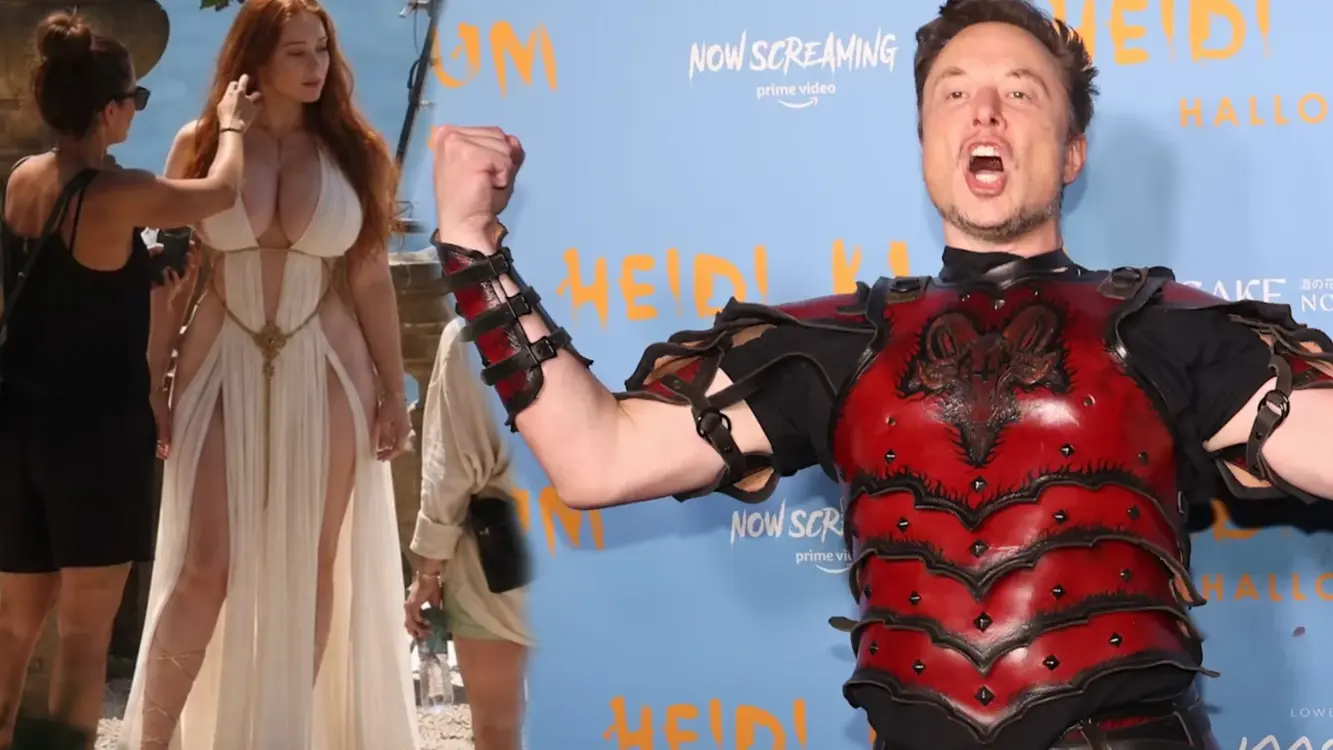
Someone used Elon Musk's Grok to build their own Odyssey with AI. The result looks like a History Channel reenactment and people are losing it.
Published on: July 24, 2026
Christopher Nolan’s The Odyssey just crossed $200 million opening weekend. People loved it. The practical filmmaking, the real locations, the actual stunts, the whole thing felt real and audiences responded. But a group of people online were not happy about it. Their complaint? The cast was not “historically accurate” enough for their taste. So they decided to do something about it. They used Grok, Elon Musk’s AI, to make their own version. And the result actually shows something interesting about where AI filmmaking is headed.
What they made
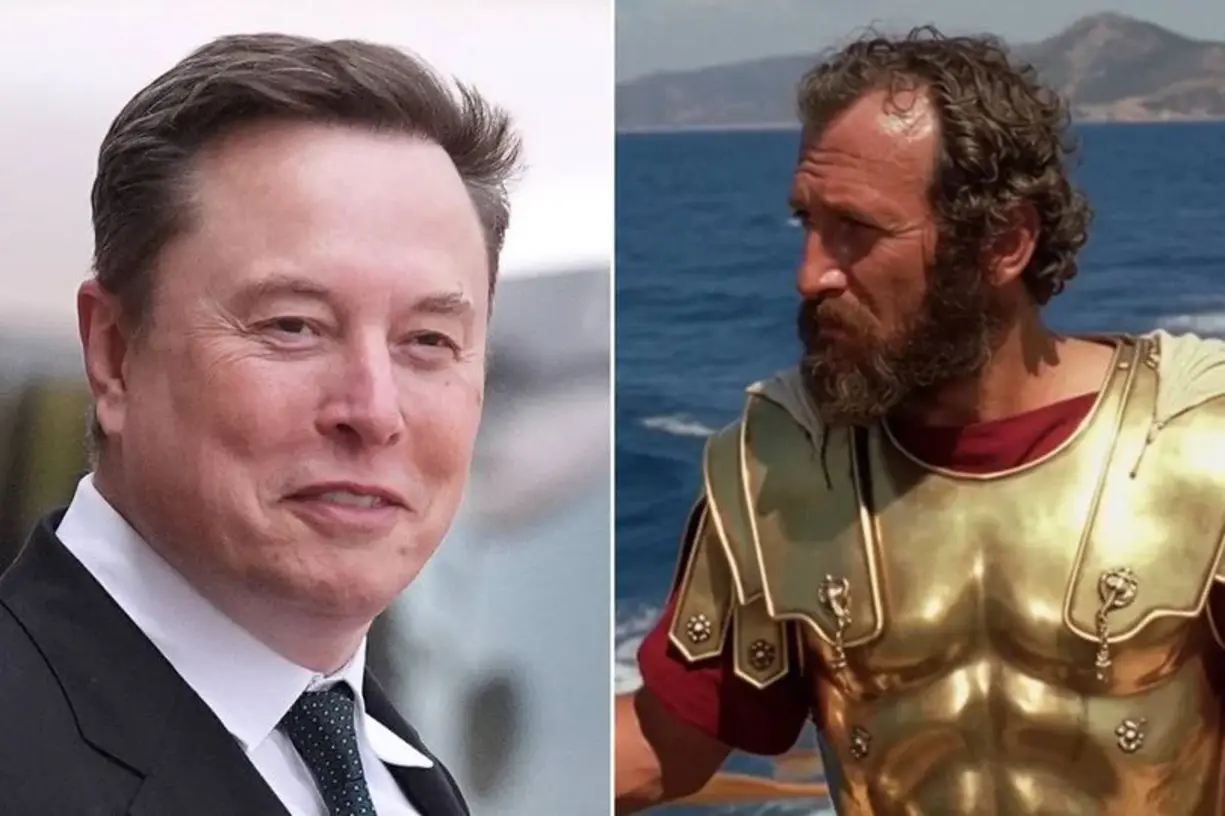
The proof of concept came out as a three minute scene. Odysseus hanging out with Calypso the nymph. Quick cuts, dramatic dialogue, the whole thing. And honestly? It is impressive for what AI can do right now. The lighting is decent. The faces are getting closer to realistic. Two years ago, this kind of output would have been unthinkable from a free AI tool. The progress is real.
It does look like a History Channel reenactment though. Like something you would watch on cable television for free, not something you would pay fifteen dollars to see in a theater. The quick cuts work well for a trailer, but they also hide the fact that nothing in the scene actually moves with the weight and unpredictability of real people. The dialogue reads more like people reading prompts than actors living in a moment. It is a snapshot of where AI video is today: impressive, improving fast, and still a long way from matching what human filmmakers create.
The historical accuracy problem
The whole point of this exercise was to make a “historically accurate” Odyssey. That was the whole argument. Nolan’s cast was not accurate enough, so they were going to fix it with AI. What did they actually produce? British accents. On Greek characters. From ancient mythology. The same mistake they were complaining about, repeated in their own version.
This is actually one of the most useful things this experiment revealed. AI models pull from patterns in the data they have seen. Grok has ingested thousands of hours of period dramas, and the default it landed on was the same polished, BBC style look that every cable network has been using for decades. No Greek language. No actual cultural context. The tool did exactly what it was trained to do. It just was not trained to do what these creators actually wanted.
What Nolan did differently
Christopher Nolan told his crew this would be the hardest shoot of their careers. Actors waited in freezing water for days. The giant warriors you see in the film? Real people in actual armor, using camera tricks and scale to make them look enormous. No prompts. No AI. Just filmmaking.
That is why the movie connects with people. Audiences can feel the difference between something that was made with sweat and something that was generated in two hours. AI is getting better at making things look real in quick cuts. But a full scene? A full movie? With emotional depth and character development and all the messy, unpredictable things that make humans interesting? That is still a human job. And honestly, that is a good thing. The best AI tools are the ones that free humans up to focus on the creative decisions that matter, not the ones that try to replace those decisions entirely.
The real lesson here
This whole experiment actually proves something positive about AI. The tool worked. Grok produced a three minute scene that looked like a real production. For a free AI model, that is genuinely impressive. Two years ago, this would have looked like garbage. Now it looks like a decent TV movie. The progress is real and it is accelerating.
But progress is not the same as replacement. AI is a tool that helps humans make things faster and cheaper. It can generate concept art, help with storyboarding, handle the tedious parts of post-production. What it cannot do is understand why a scene matters, why a character makes a certain choice, why audiences care about one shot over another. Those decisions require human beings. And that is exactly how it should be. The filmmakers who will thrive are the ones who learn to use AI as a creative partner, not a replacement.
Where this goes from here
The people who made this Grok Odyssey are not going to finish it. They are going to talk about it on social media for a few days, their community will celebrate it as a win, and then everyone will move on. That is fine. That is how new tools get explored.
What matters is that AI video generation is getting better every month. The tool that made this three minute scene will be ten times better next year. And the year after that. Eventually, AI will be good enough to help filmmakers create shots that would have been impossible before. Not to replace them. To give them more options.
The Odyssey proved that audiences want authentic, human-made stories. AI can help tell those stories when it is used the right way. The best filmmakers will be the ones who figure out how to combine both.