7 Paneling Mistakes Killing Your Comic (Fix Them Now)
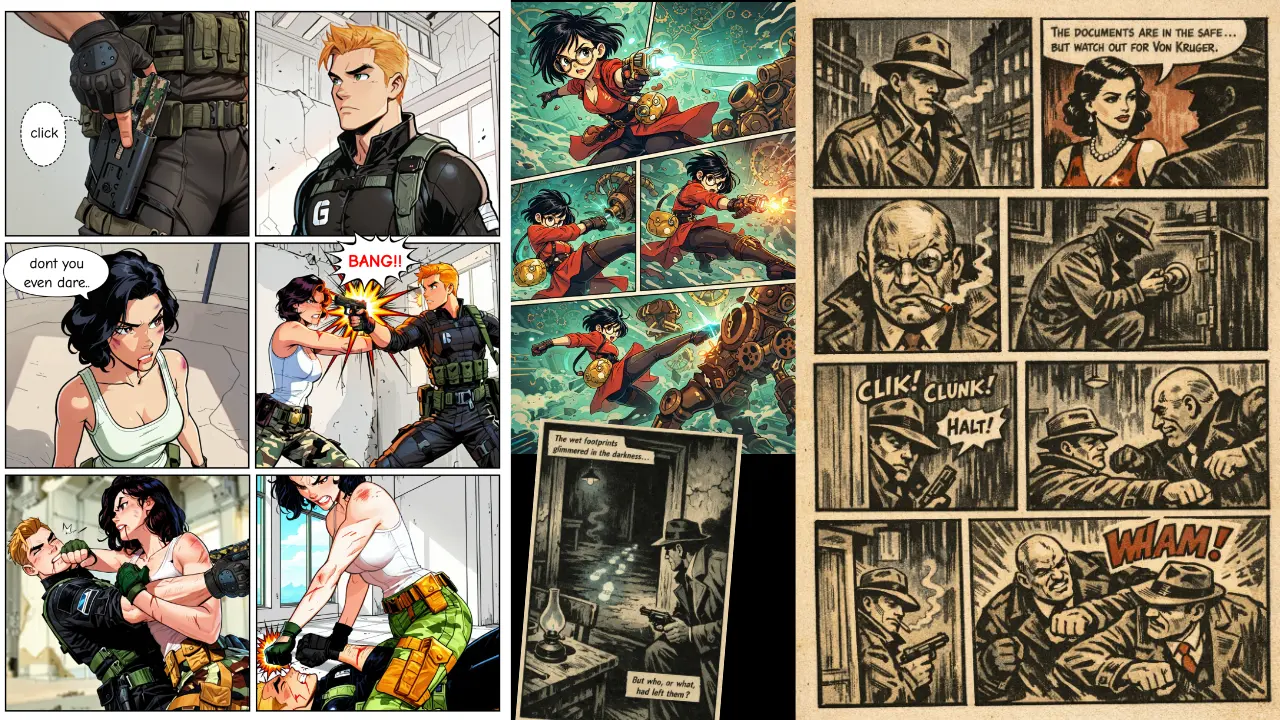
Your comic feels off but you do not know why. Learn the 7 paneling errors beginners make and how pro artists fix them fast.
Published on: May 3, 2026
Many new comic artists make the same paneling errors. These mistakes keep readers from enjoying the story. Even if friends say the art looks good, they may not see the problems. Professional editors and veteran comic creators notice these issues right away. Learning to avoid them can step up game for any beginner. This guide breaks down seven common paneling mistakes and shows how to fix them using advice from pros with decades of combined experience in Western comics.
Mistake 1: Skipping Thumbnails
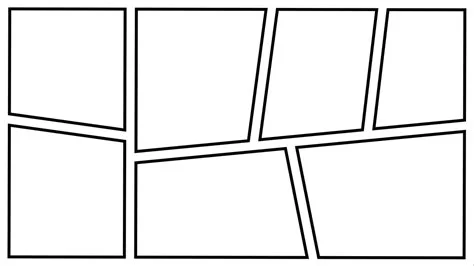
Thumbnails are small, rough sketches of each page. They help artists plan layout before drawing final art. Without thumbnails, pages can feel repetitive or confusing. Veteran comic artists warn that using the same panel structure across many pages bores readers. Sketching tiny versions first lets artists test flow and spot problems early. This simple step saves time and makes the final page stronger. Many pro comic creators start every project with thumbnail sketches to map out pacing and visual rhythm.
Mistake 2: Using Too Many Panels Per Page
Beginners often think more panels mean more story. But pros recommend five or fewer panels per page for clear storytelling. Six is acceptable. Seven is the absolute most. Fewer panels give each moment room to breathe. They let the artist focus on what matters most in the scene. When every panel has purpose, the page feels clean and powerful. Crowded pages overwhelm readers and hide key story beats.
Mistake 3: Ignoring Printing Borders
Comic art boards include built-in guidelines. These show safe zones for art so nothing gets cut off during printing or trimming. One key rule: never draw important details in the spine area or too close to the edge. That part of the page may get lost when the book is bound or cut. Pro comic artists explain that these zones are meant to stay unseen. Respecting these borders ensures the final printed comic looks as intended. Always check your publisher’s template before starting final art.
Mistake 4: Misusing Focus Panels
Not all panels carry equal weight. The focus panel is the largest and most impactful on a page. It draws the reader’s eye first. Other panel types include:
- Pull panel: builds curiosity and makes readers want to turn the page
- Reward panel: satisfies that curiosity with a reveal or payoff
For example, a pull panel might show a shadowy figure through a crack in a wall. The next page reveals the full character. This technique keeps readers turning pages. Using these panel types with intent makes storytelling more engaging. Study pages from comics like Saga or The Walking Dead to see how pros use focus and reward panels to control pacing.
Mistake 5: Overusing Diagonal Panels
Even famous comic creators were told to limit diagonals early in their careers. Straight vertical and horizontal panels work best for calm, everyday scenes. Diagonal panels add energy and tension. They suit action, drama, or high-stakes moments. Saving diagonals for these scenes makes them hit harder. Using them everywhere dilutes their impact. A page full of tilted panels can feel chaotic and hard to follow. Use diagonals with purpose, not as a default style.
Mistake 6: Poor Panel Flow
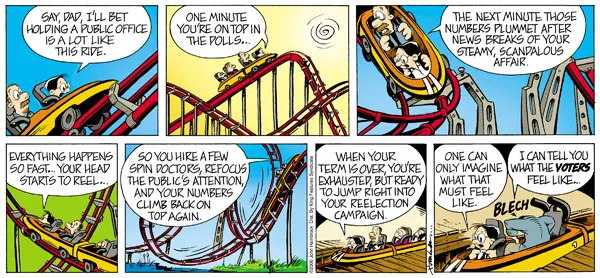
Panel flow refers to how easily a reader’s eye moves from one panel to the next. Good flow feels seamless. The reader does not have to guess where to look next. A well-designed comic page guides the eye naturally from top right to bottom left in Western reading order. The eye starts at the first speech bubble, moves to a character’s expression, follows to the next panel for context, then continues smoothly through sound effects and dialogue. Veteran editors say that if a comic is hard to read, it will not stick in the reader’s mind no matter how good the art or story. Learning basic flow rules before breaking them is essential. Clear panel borders, consistent gutters, and logical speech bubble placement all support smooth reading.
Mistake 7: Never Using Splash Panels
Splash panels are full-page or double-page spreads that extend beyond standard borders. They create a wider, more cinematic feel. Splash panels work well for emotional peaks, big reveals, or major action moments. But they should be used with care. One splash panel per issue or chapter is often enough. Overusing them loses the special impact. A well-placed splash can elevate a key story moment. A splash on every page feels cheap and loses its power.
Practice Exercise: Study Like A Pro
A simple exercise can help artists improve fast:
- Pick one two-page spread from a favorite comic each week
- Study why the artist chose each panel size, angle, and placement
- Ask what each panel makes the reader feel
- Notice how speech bubbles guide the eye
- Observe where the artist uses silence or empty space
Doing this once a week builds intuition. In one month, the artist sees comics differently. In three months, their own paneling starts to feel professional.
Real Results From Real Beginners
Many students have used these seven tips to go from zero experience to contest-ready comics in under three months. Their work appears in indie anthologies and webcomic platforms. Reading these examples shows how proper paneling lifts a story. Beginners who master these basics step up game and create comics that feel polished and immersive.
Final Thoughts
The path to better comics starts with small, smart choices:
- Thumbnails prevent layout errors
- Fewer panels create focus
- Borders protect the final print
- Focus, pull, and reward panels guide emotion
- Diagonals add punch when needed
- Clear flow ensures smooth reading
- Splash panels deliver cinematic moments
Learning these rules does not limit creativity. It gives artists the tools to tell their story clearly. Once the rules are mastered, breaking them becomes a powerful choice, not a mistake. That is how beginners grow into confident comic creators.